For some children, going to school is simply part of everyday life. For Dara*, it has become a decision he has had to make again and again.
Dara lives with his family in a rural village in Cambodia. He has 5 siblings, of which 2 moved out already to find work in other provinces.
His family has faced severe financial difficulties for a long time. There is little reliable income, and at times there has not even been enough food for the children. His parents have had to look for work away from home, including construction work in another province, while the family also depends heavily on farming. At times, they have not received the money they were expecting from their work and have been unable to send enough support home.
The family’s difficulties go far beyond a lack of money. There have been health problems, poor sanitation, difficulties accessing clean drinking water, limited transportation and interrupted education.
The family also carries significant debt. At home, alcohol abuse and conflict have created additional pressure. When starting to work with the family in March 2025 the father didn’t help with anything at home, was drunk ongoingly, often verbally abusing his family and contributing almost nothing to the family’s needs - people gave up on him.
In such circumstances, education can easily become a luxury.
WHEN STAYING IN SCHOOL BECOMES A STRUGGLE
Dara has understood this reality from a young age. While still attending school, he has tried to help his family whenever he can. Often after school, he works on farms or takes whatever temporary work is available. Sometimes, he can earn around 20,000 riel (5$) a day planting cassava when someone hires him. During cashew season, he spent his free time collecting cashews to earn money for his family needs. Sometimes he goes to school without having eaten. Yet he keeps going.
"My dream for my family is to have happiness in our family and enough food for everyone.
We can help each other and be faithful in our family.” says Dara
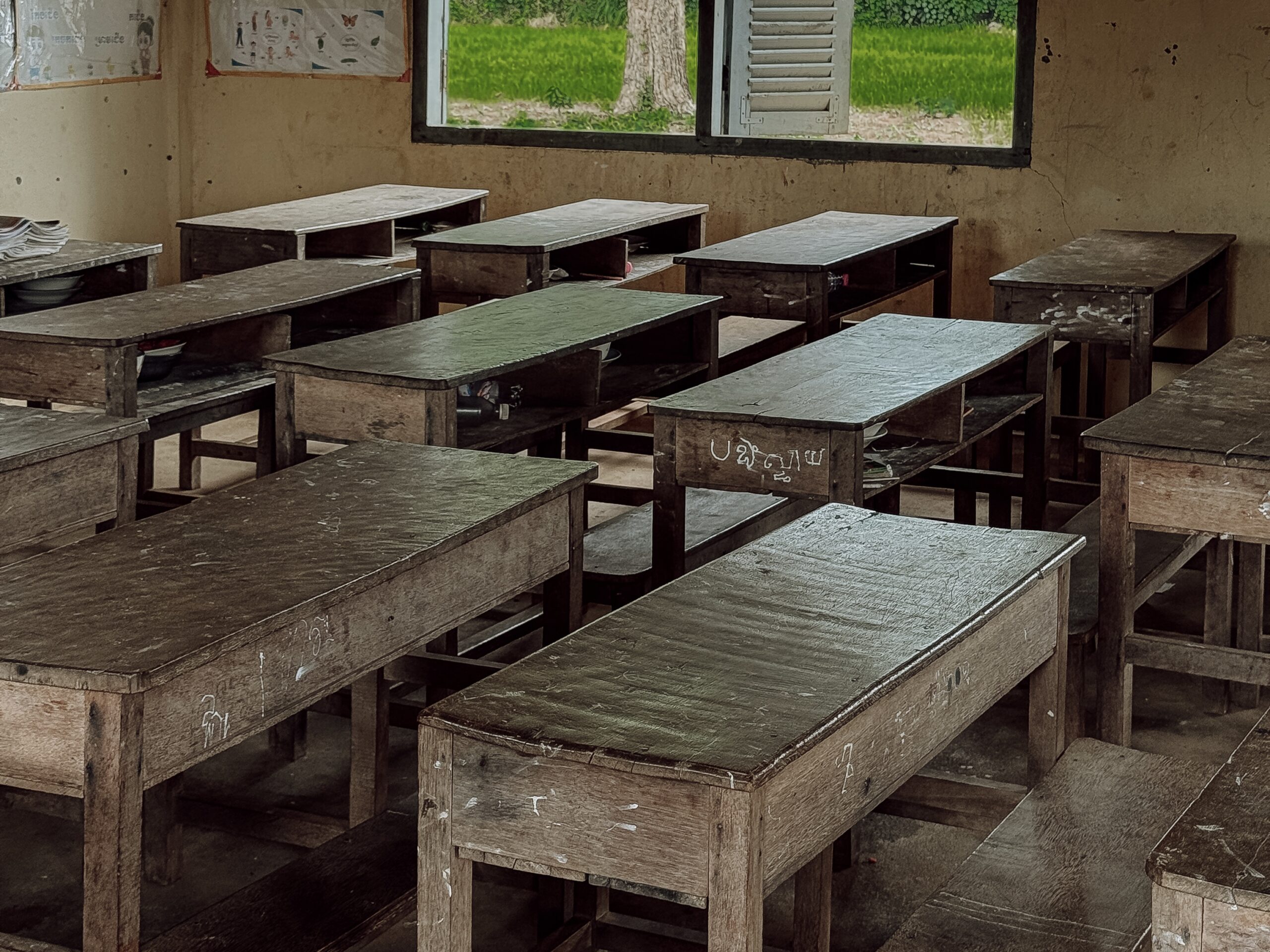
Going to Primary School was still ok as the school is located in his village just across the street of his simple wooden house. When he moved up to grade 7, which is secondary school in Cambodia, he would have to walk there for at least 1.5 hours. That is one of the reasons why many children in his village never continued studying after grade 6 because many times transportation is not available for most of the families. We provided him with a bicycle and school package so that he could continue to go to school. Since the very beginning of working with his family all his siblings received the school packages too.
These may seem like small interventions. For a young person living in such circumstances, however, a bicycle and a school package can mean the difference between continuing an education and giving it up.
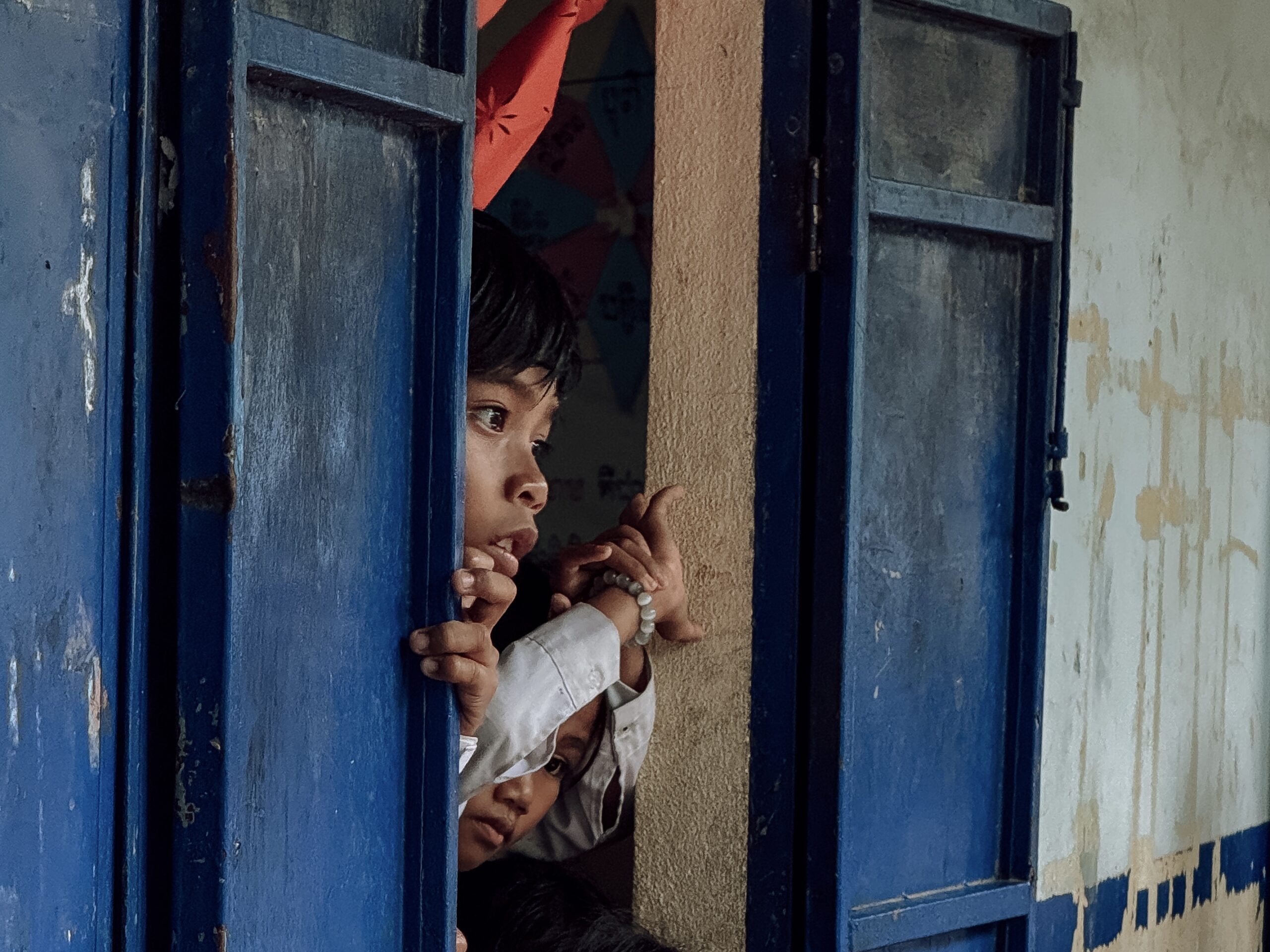
Dara has continued attending school regularly. Even after suffering a serious hand injury while working with a rice-threshing machine, he continued riding his bicycle to school despite the pain and difficulty writing. He knows that to reach his goals for a better future he has to gain more knowledge. “I want to try hard in my studies and set clear goals.” His determination has also shown itself in other ways.
EVEN IF MY FRIENDS STOP, I WILL CONTINUE
Dara wants to learn English in addition to his regular schooling. He knows that additional skills could help him in the future, but he currently cannot afford the fees.
During a visit, Keany our caseworker asked him what he would do if he had the money to attend additional classes. His answer was clear: he would continue studying and work hard.
Many young people in his village are facing similar pressures. Some have already stopped attending school. Others are considering leaving school to work because their families cannot afford to support them.
Dara has chosen a different path.
He also enjoys playing football and has become involved in his school’s team. But his role is slowly developing beyond school and sport.
In August 2026, we began providing Dara with a small monthly stipend of $20. This helps him cover his basic needs while also giving him a sense of responsibility within his community. He supports our village-based activities, alerts us when young people face difficulties continuing their education, and helps encourage other young people who are facing similar challenges.
Dara is not simply receiving help anymore.
He is beginning to help others.
WHY THIS MATTERS FOR PREVENTING MODERN SLAVERY
None of this is unusual in the villages which we work with. Many households here face the same combination: unstable income, health struggles, addiction, and
children caught between school and work long before they're old enough to make that choice for themselves.
It's exactly this mix — poverty, lack in education, and family instability — that research consistently names as one of the strongest drivers behind exploitation and modern slavery. When a family can't cover its basic needs, children become far more vulnerable to unsafe work, early labor, and to the people who prey on that kind of desperation.
When there is no realistic path forward, an apparently attractive job offer, migration opportunity or promise of quick money can become difficult to refuse.
SEREY’s work therefore begins before exploitation happens.
EDUCATION , is one of the strongest forms of prevention. A child who remains in school has more opportunities to develop knowledge, skills and future choices. School supplies, transportation support and individual encouragement can sometimes remove immediate barriers that might otherwise lead to dropping out..
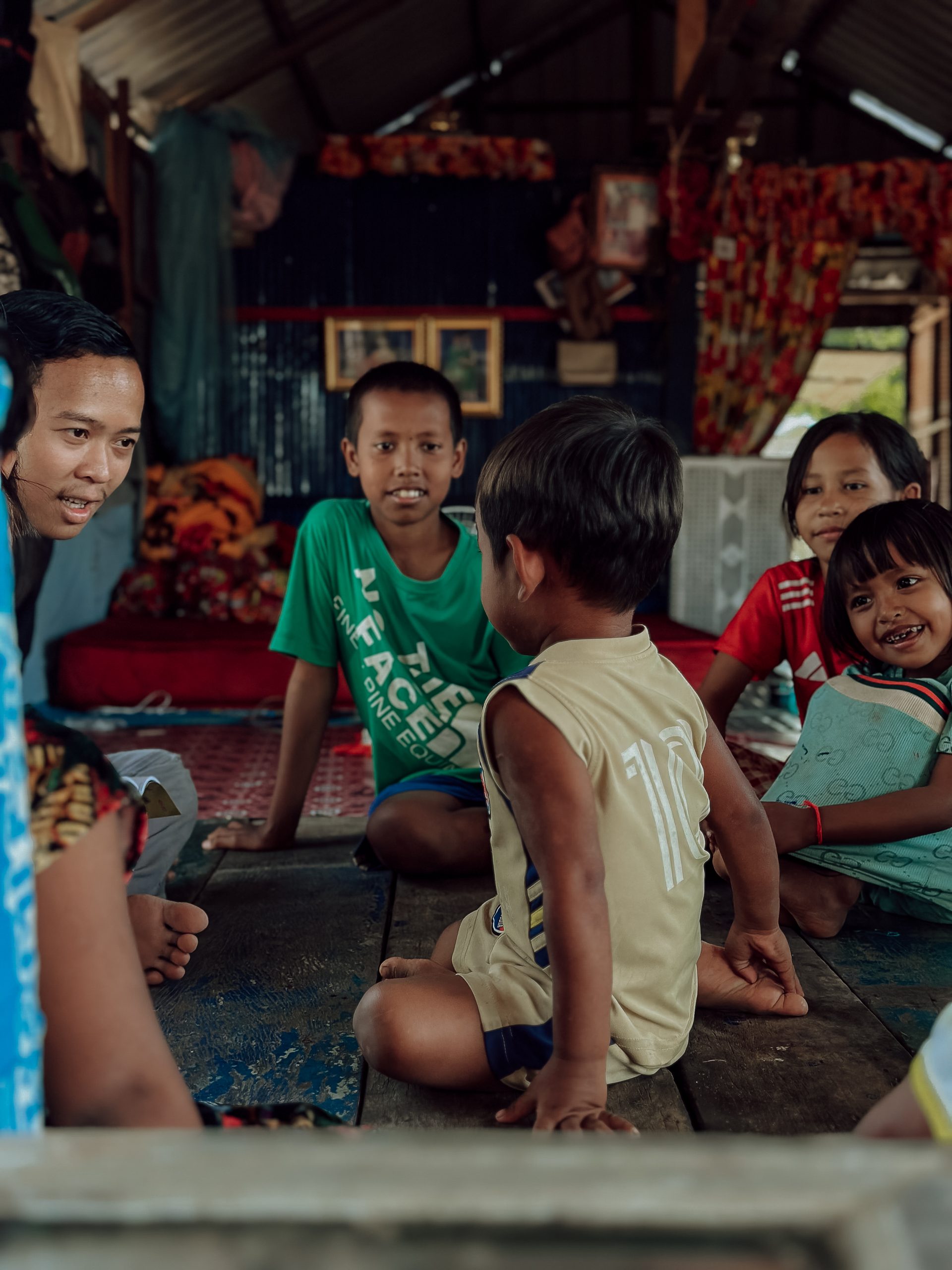
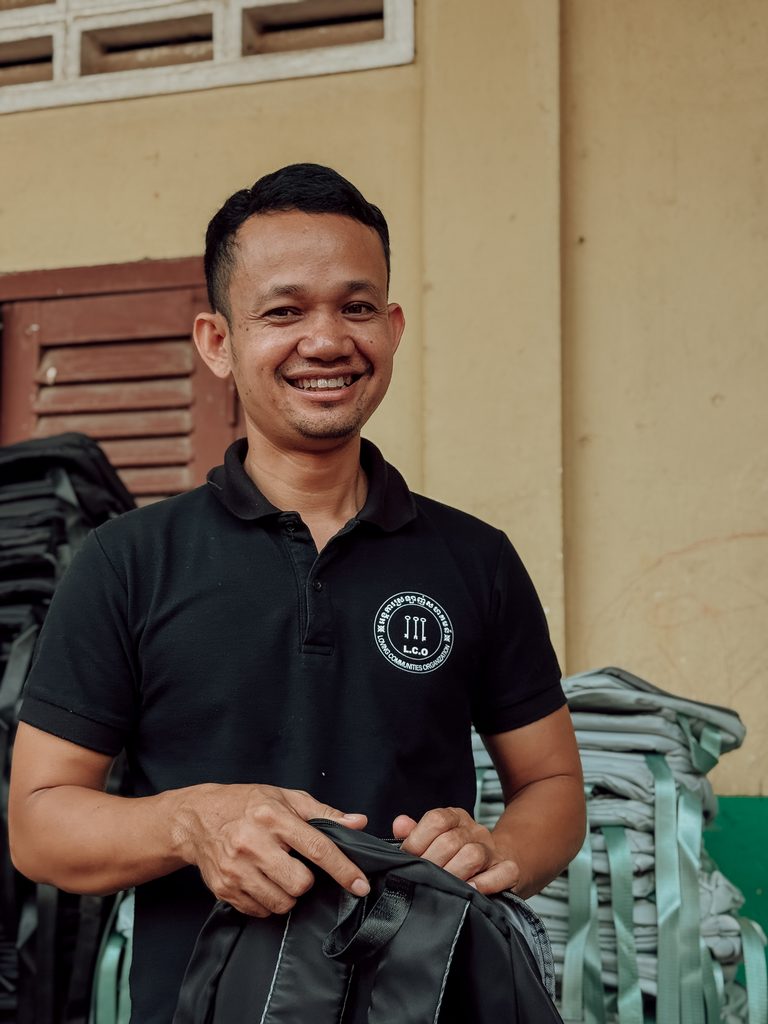
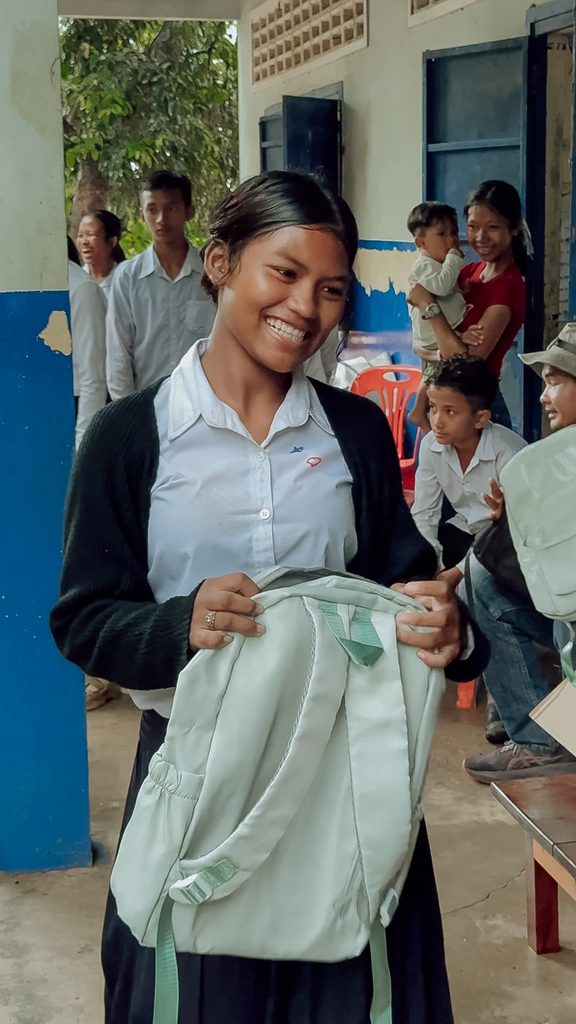
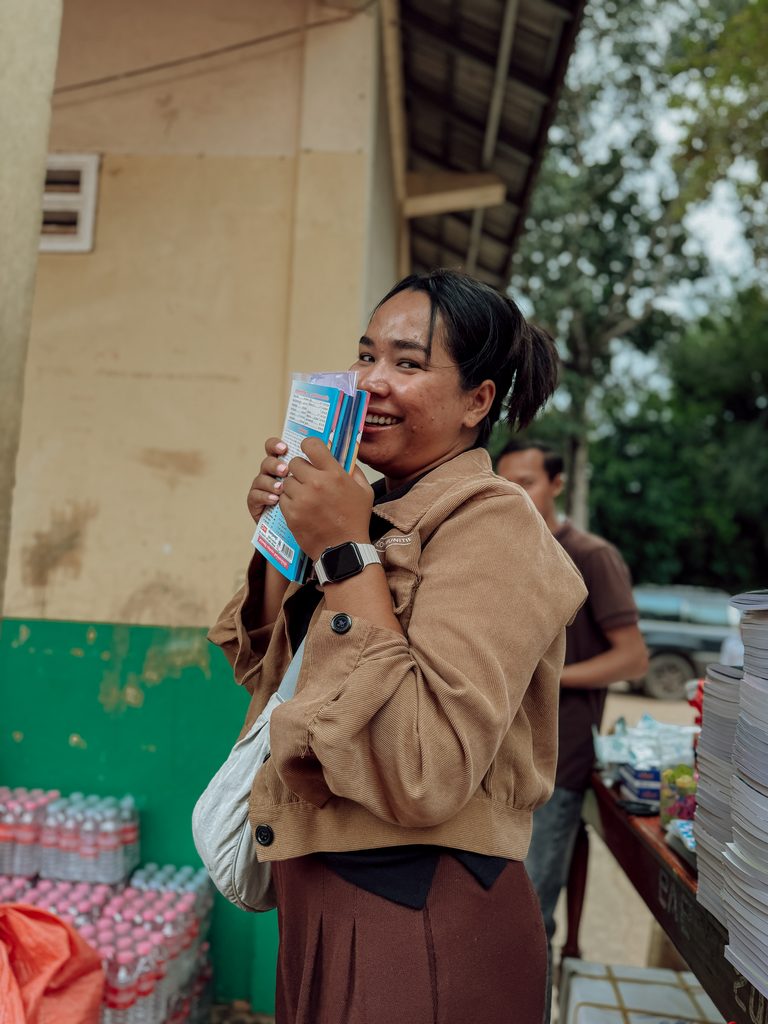
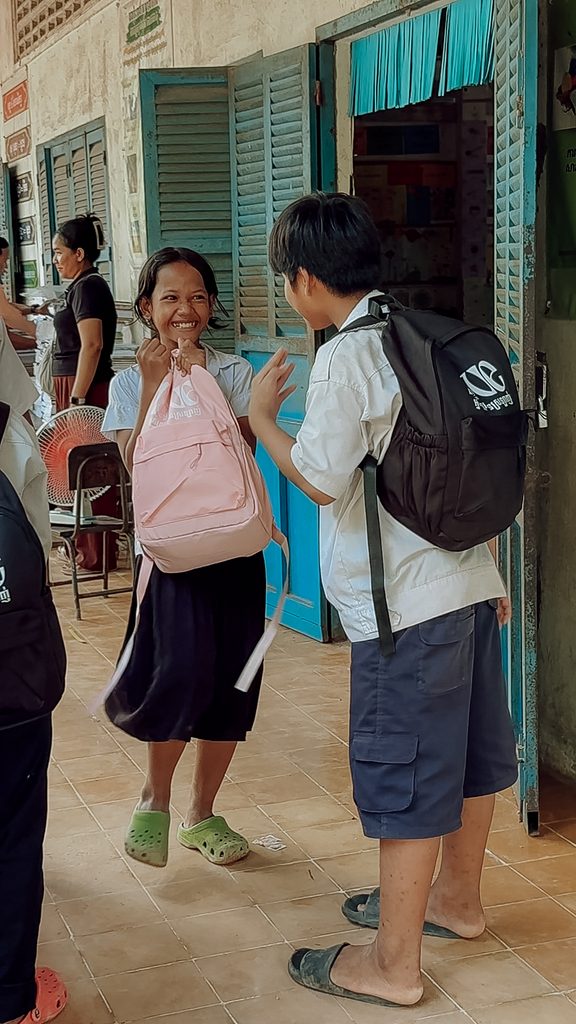
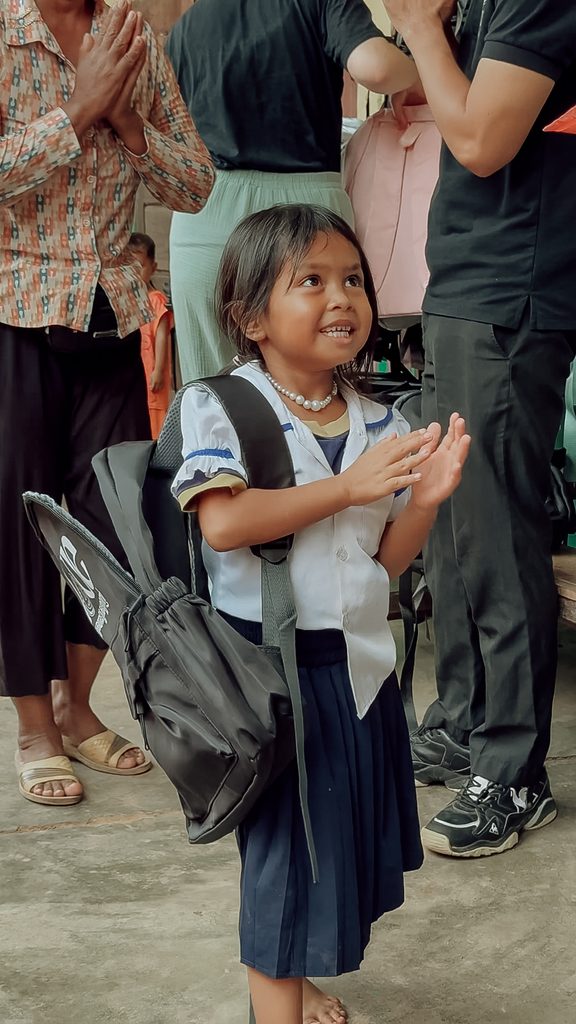
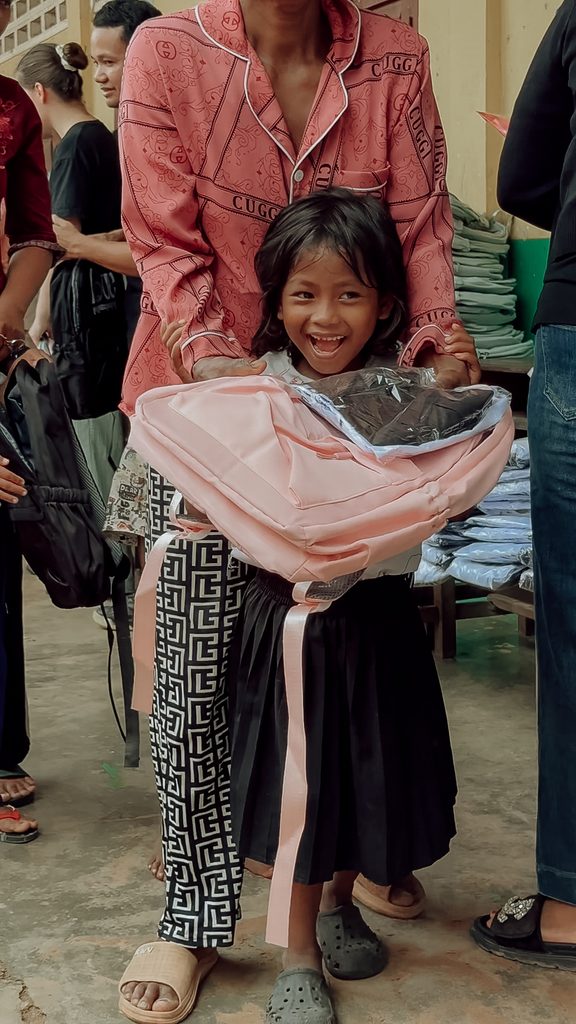
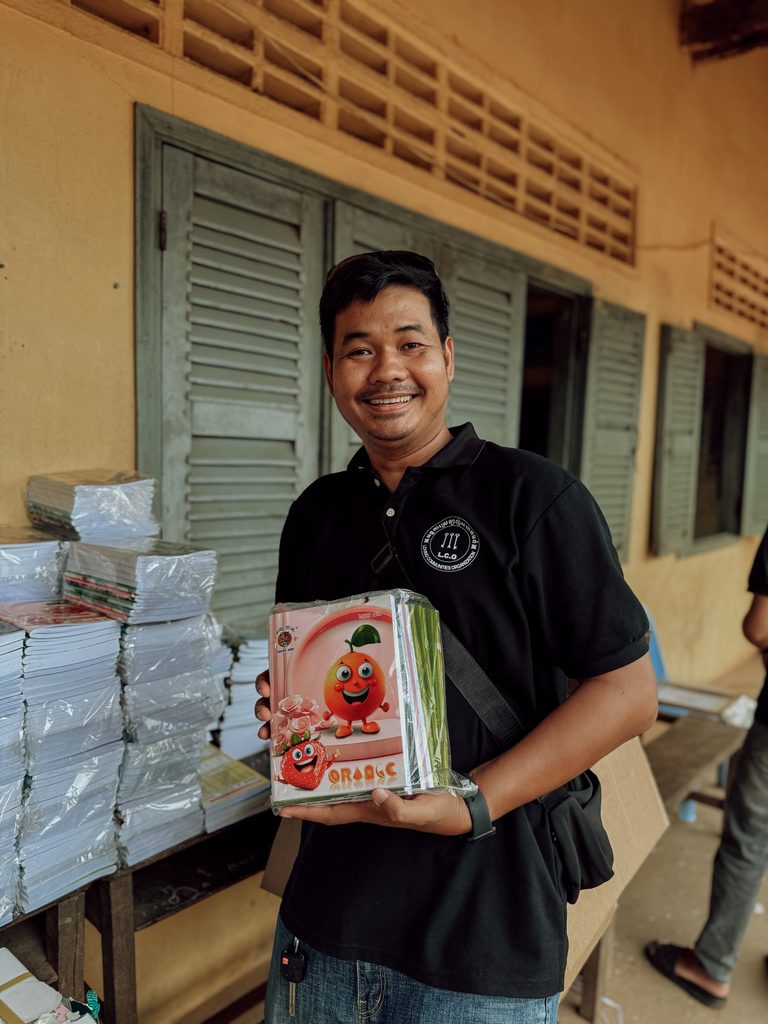
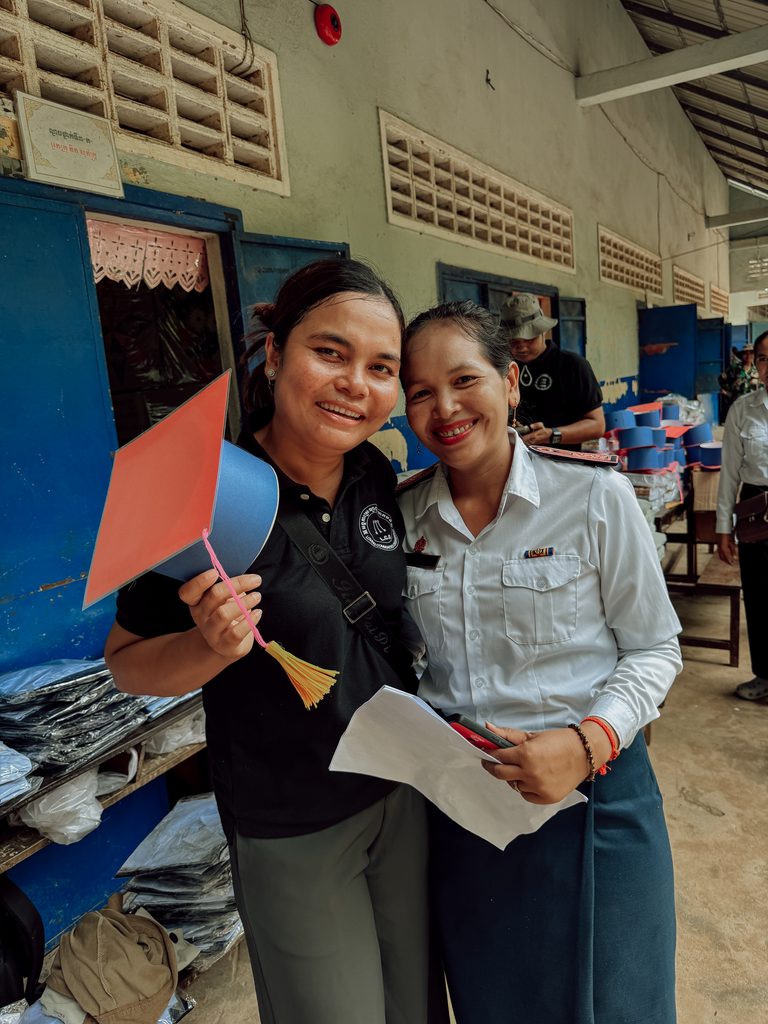
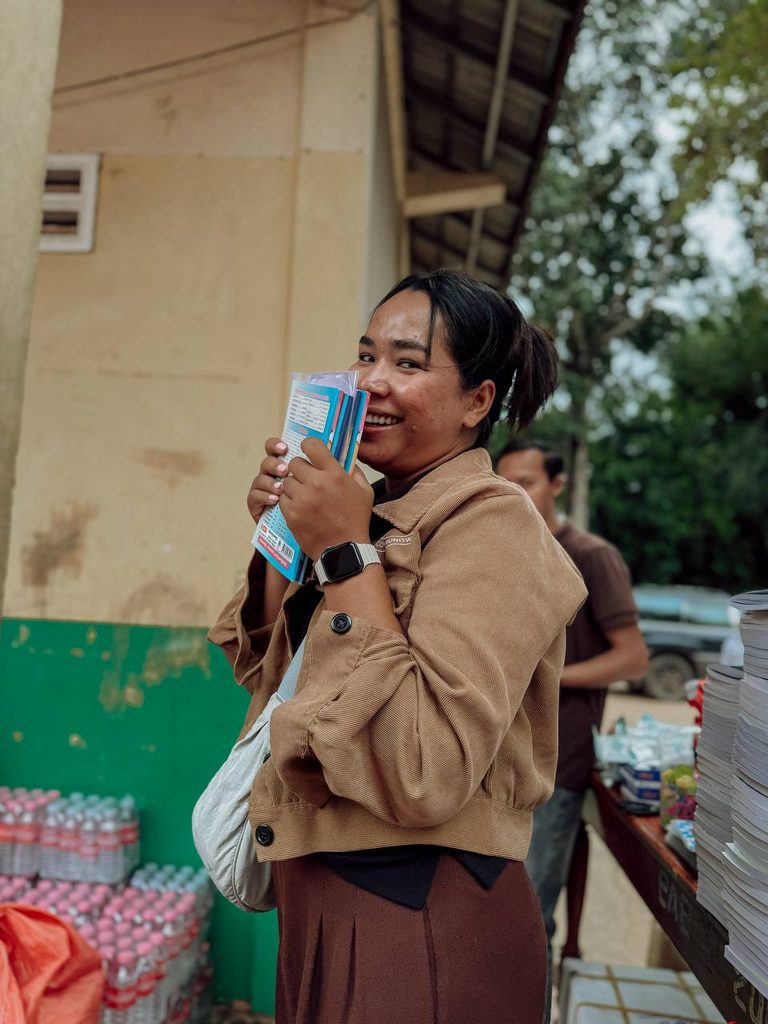
That is one reason why we provide hundreds of children with essential school supplies every year. This August and September, children across our villages already received their packages, moments filled with joy, excitement, and gratitude. We're deeply grateful to our donors and our amazing team for making this possible, once again. THANK YOU SO MUCH.
But education alone is not enough.
FAMILIES also need support when they are facing hunger, illness, debt or other crises. Our family work includes regular home visits, individual assessment and emergency assistancesuch as food packages. The long-term goal is to support families move toward greater self-sufficiency and independence rather than remaining dependent on emergency support.
For young people who are unable to continue their schooling, vocational training, together with better job opportunities, opens up another path to a secure future and protects them from exploitation. We connect young people at risk with vocational training programs and support families in becoming more financially independent.
At the COMMUNITY LEVEL , awareness and relationships are equally important. We work with schools, teachers, village leaders, young people and families to identify risks early and strengthen protection within the community..
A SMALL LIGHT IN A DIFFICULT SITUATION
Dara’s family is still facing serious difficulties.
His father’s drinking has not stopped fully. The family still has very little income, and there are times when food remains scarce. One of Dara’s sisters has stopped attending school, and his parents continue to carry the burden of providing for the family. There is no simple ending to this story. But there are signs of change.
Dara is still going to school. He continues to work when he can. He starts with additional education outside school hours. He plays football with other young people. And now he is beginning to use his own experience to encourage other children not to give up on their education.
Even his parents seem to change step by step. While his father is still drinking he started to work and help out the family more and more. The abusive behaviour got less too.
Dara’s mother once was without hope and showed similar development like her husband but now is seeing change and slowly grows back hope. She is proud of her son who stands with such remarkable endeavor and expresses her sincere gratitude for the support her family receives.
For a year now, Dara has also been joining our small faith group in the village, where we worship God, share about Jesus, and pray for one another. He has often asked us to pray for him and his family. We see a heart that is longing for more.
Our hope is that he, and many others in the village, will one day recognize what God has done for them and what living with Him can do to their lives.
This is what our prevention work usually looks like: no dramatic rescue and no sudden change, but many small steps and repeated visits that build trust and help prevent exploitation before it begins.
A bicycle.
A food package when there is not enough food.
A visit from someone who asks how the family is doing.
Encouragement to keep going.
An opportunity to learn.
A child or an adult gently encouraged, again and again, toward a different future.
And, eventually, the chance for a young person who has received support to become someone who supports others.
This is the kind of change we hope to see: not simply helping people survive a difficult moment, but supporting children and families gain the knowledge, opportunities, relationships and strength they need to make their own way forward — and to reduce their vulnerability to exploitation before it begins.
Dara* is still on that journey.
And for now, he has made his choice:
He wants to keep going and what motivates him is this:
“I wish my family to be full of peace and happiness.”
Your prayers and support make it possible for our team to keep showing up for families like Dara's. Some steps are small but can lead into meaningful roles that let young people like Dara become part of the solution, instead of drifting toward the same risks their parents faced.
Thank you very much and God bless you.
Warm regards from the SEREY team in Cambodia
*Name changed