Our third year working in the villages has begun, and as we look ahead to 2026, we do so with deep gratitude for all that has grown over the past year—and with hope for what lies ahead. This year brings new steps for us as an organization, and for several families in the villages we serve.
WHY WE ARE EXPANDING OUR PROGRAMS
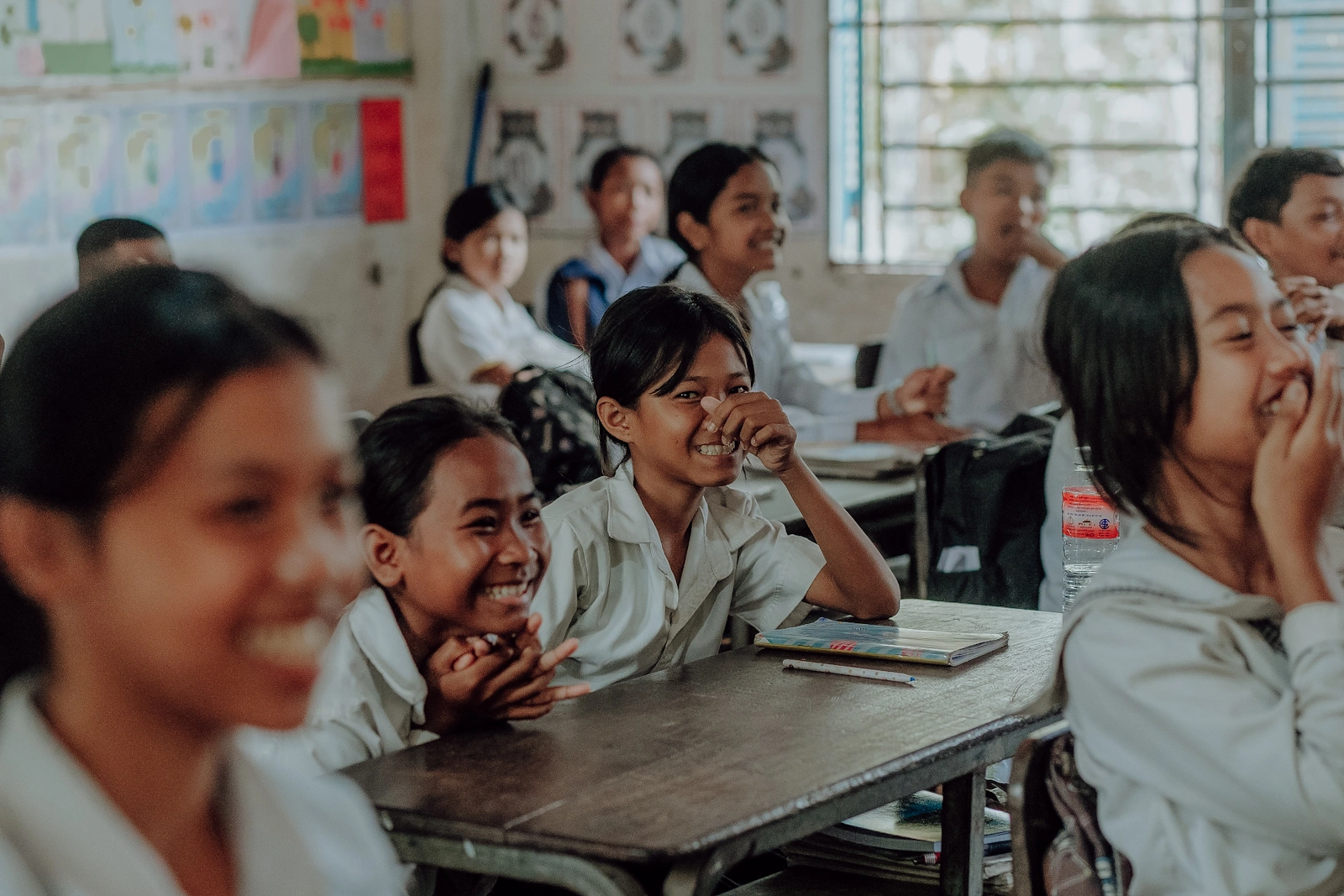
Over the past two years, we have carried out comprehensive prevention work: in schools, in close cooperation with village chiefs and teachers, through awareness-raising in village groups, and through intensive family support.
Knowledge about the risks of exploitation is essential, yet it has also become clear that even informed families remain vulnerable as long as they face severe economic hardship.
For this reason, we are expanding our programs this year to include measures that promote vocational training and economic self-reliance. These act as key protective mechanisms and help reduce the risk of exploitation in the long term..
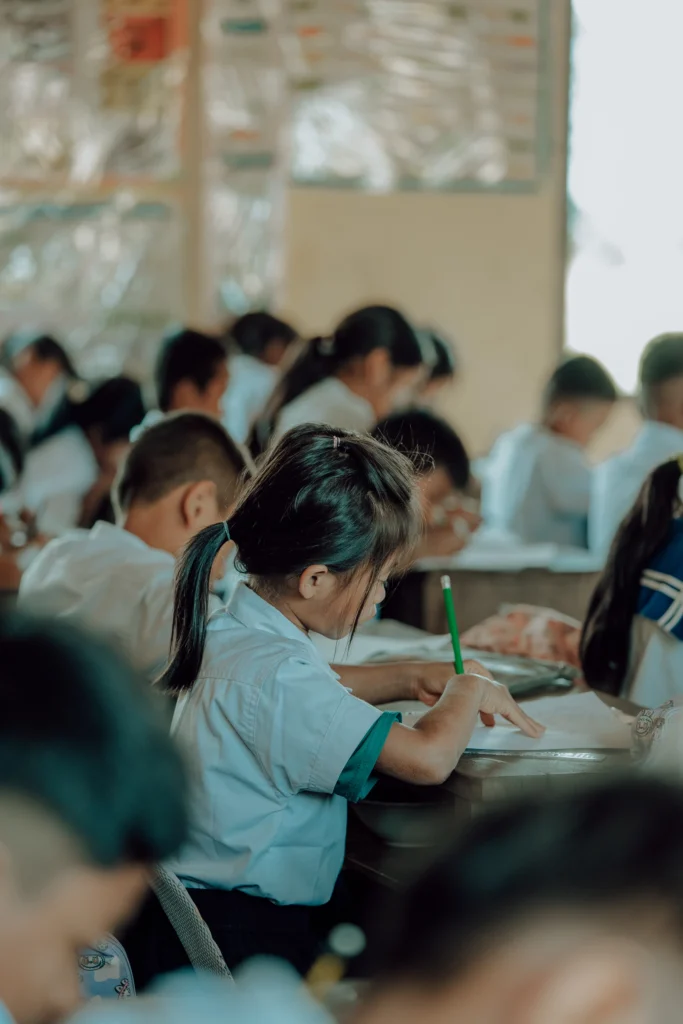
Studien zeigen, dass Kinder, Jugendliche & Familien besonders gefährdet sind,
when they lack access to education,
stable income, or vocational training opportunities.
Those who can learn early, complete training, or gain economic prospects are better able to make self-determined decisions and protect themselves from exploitation.
(Sources: ILO & PMC)
FIT2WORK
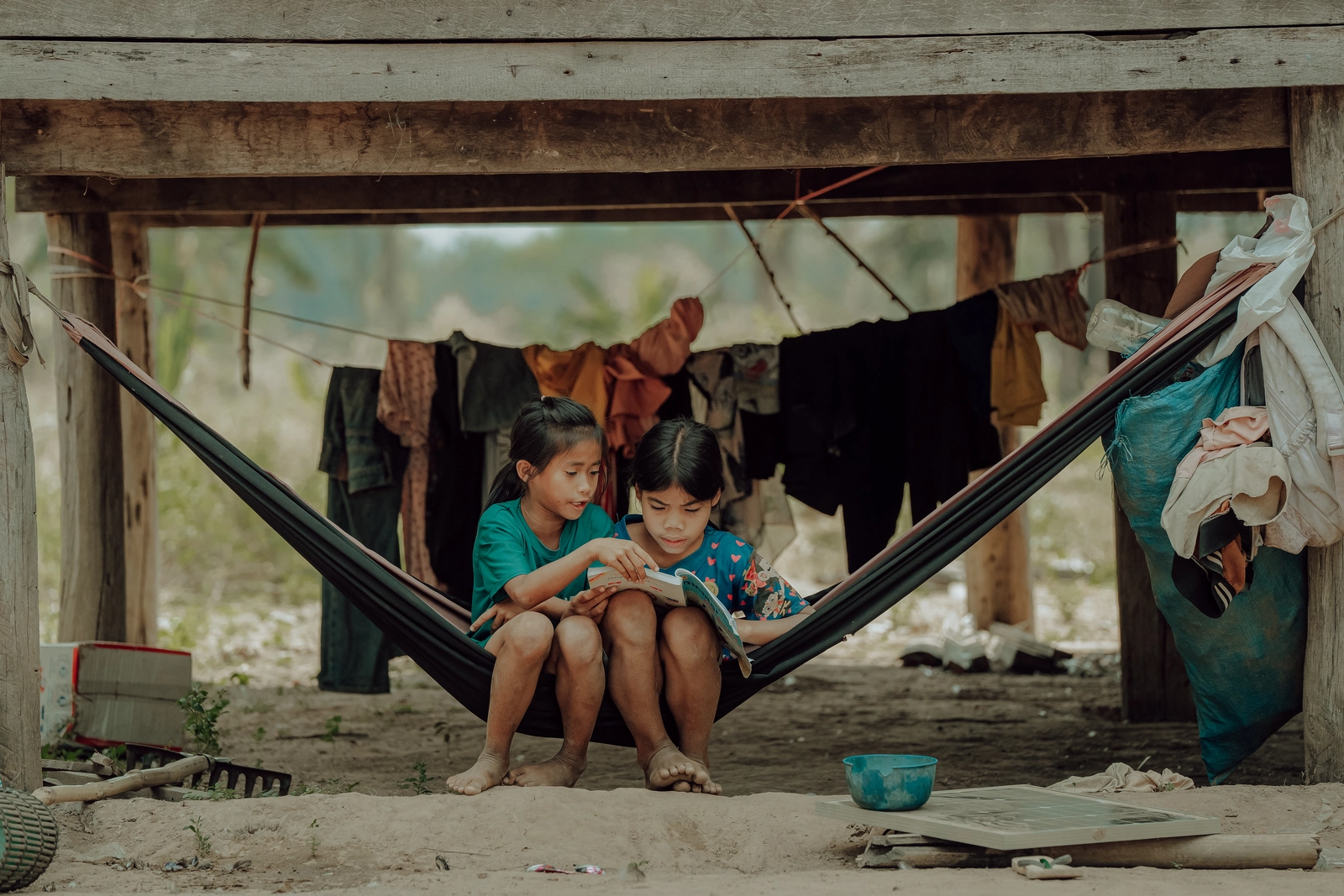
Many families in the villages we work in live under precarious financial conditions and are especially vulnerable to economic fluctuations.
Some survive on less than USD 3 per day—barely enough to cover basic needs for the whole family, and far from sufficient to address essential areas such as healthcare, education, and long-term security.
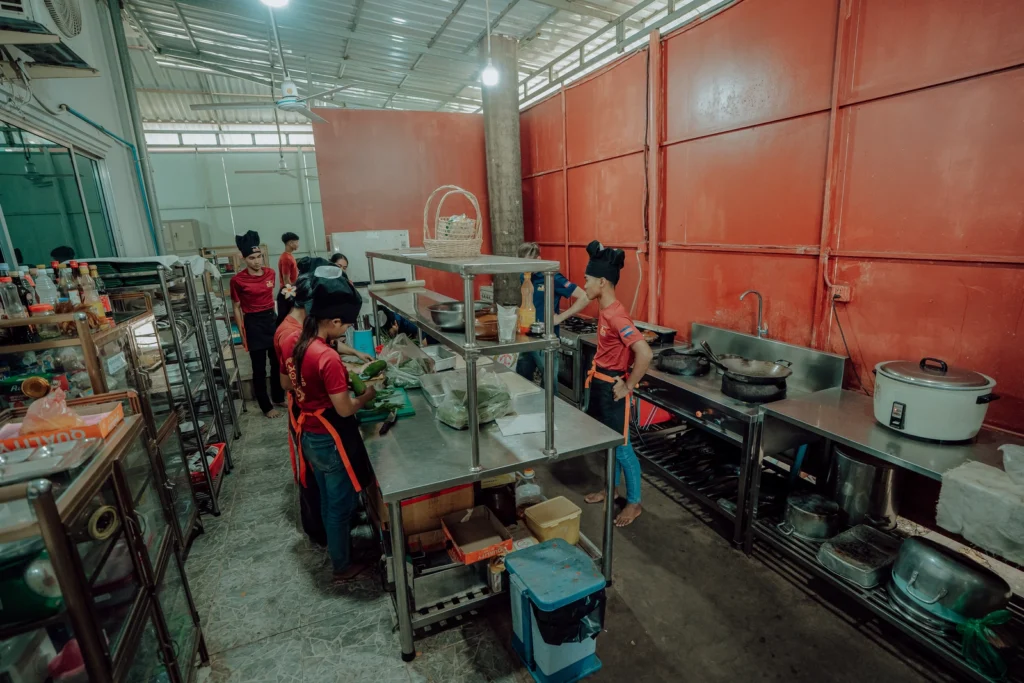
This is where our new programs come in. We support particularly vulnerable families in improving their ability to provide for themselves or in building a small business of their own. This support ranges from advice, training, and seed provision to help with job searches and small business trainings that include start-up capital provided by us.
In addition, we connect young people from these villages—who are unable to continue their formal schooling —with vocational training centers in the city of Siem Reap, and support and accompany them throughout this process.
The goal of these programs: to empower families and young people to become more independent—and in doing so, to reduce the risk of exploitation at an early stage.
FAMILY START-UP – BONG SEYLA’S* STORY
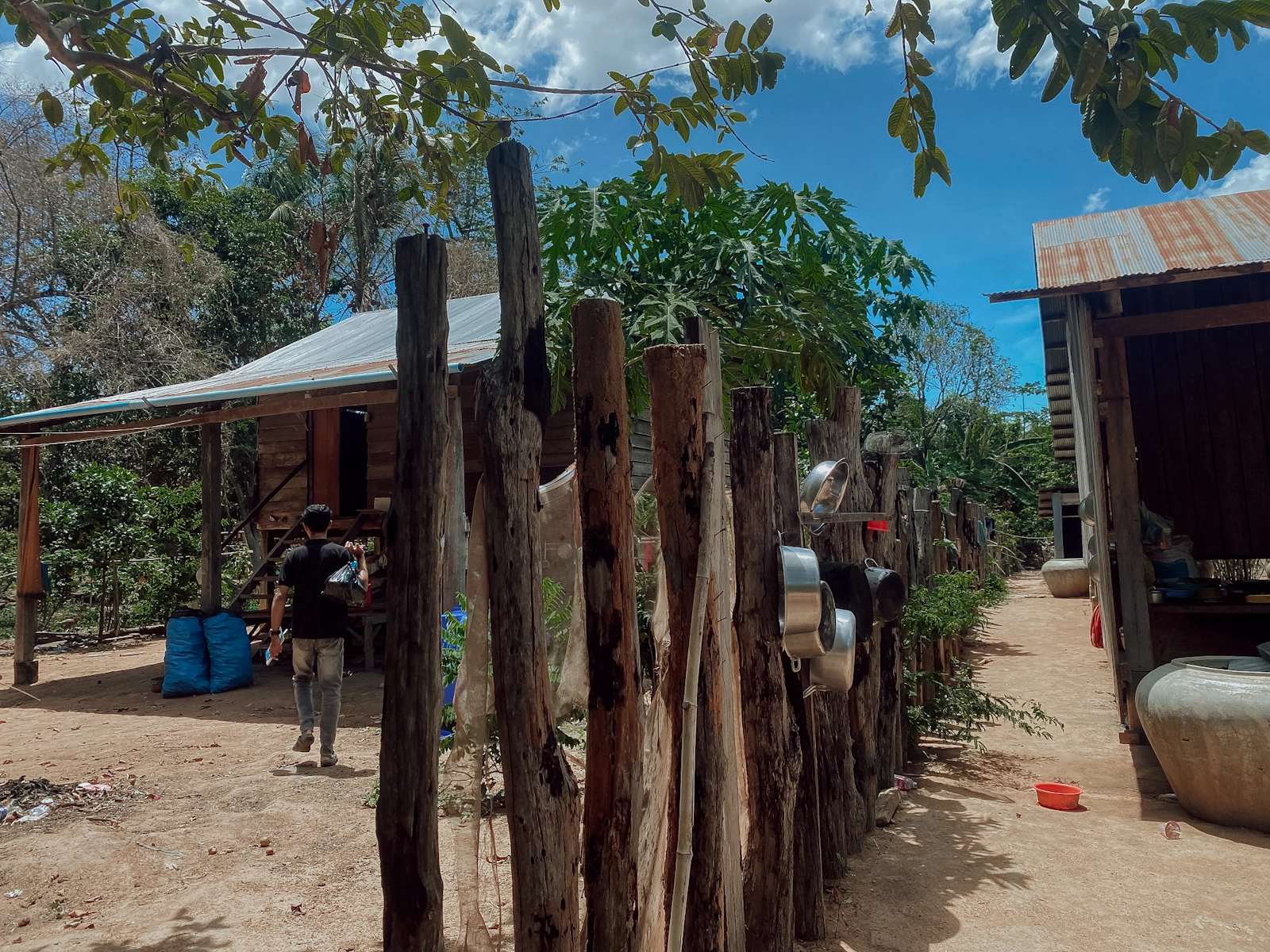
Through one family we have been working with for some time, we would like to share an example of a small business start-up. Bong Seyla’s family (name changed) lives with their three children in one of the most disadvantaged villages where we work. Almost all villagers rely solely on agriculture, yet conditions are very poor. Long periods of drought, the village’s remote location, and a lack of alternatives leave little room for development.
Bong Seyla herself is the village’s informal kindergarten teacher, but she earns only USD 12.50 per month for this work. Her husband mainly works in agriculture, but during long periods—especially in the dry season—there is very little work available. Over time, this led him to drink heavily, which in turn resulted in domestic violence.
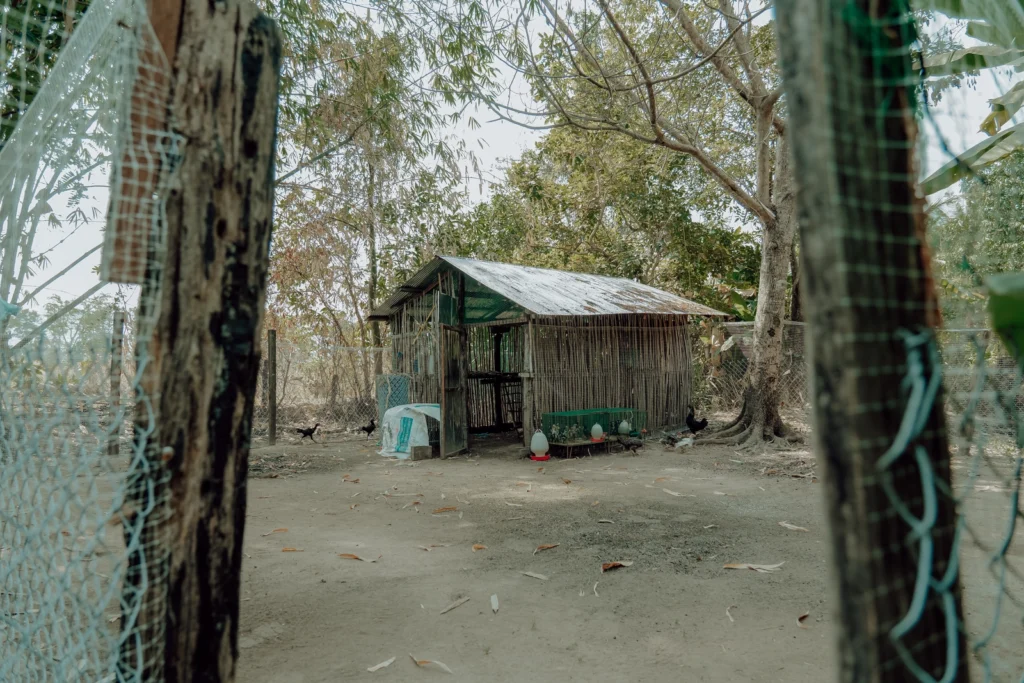
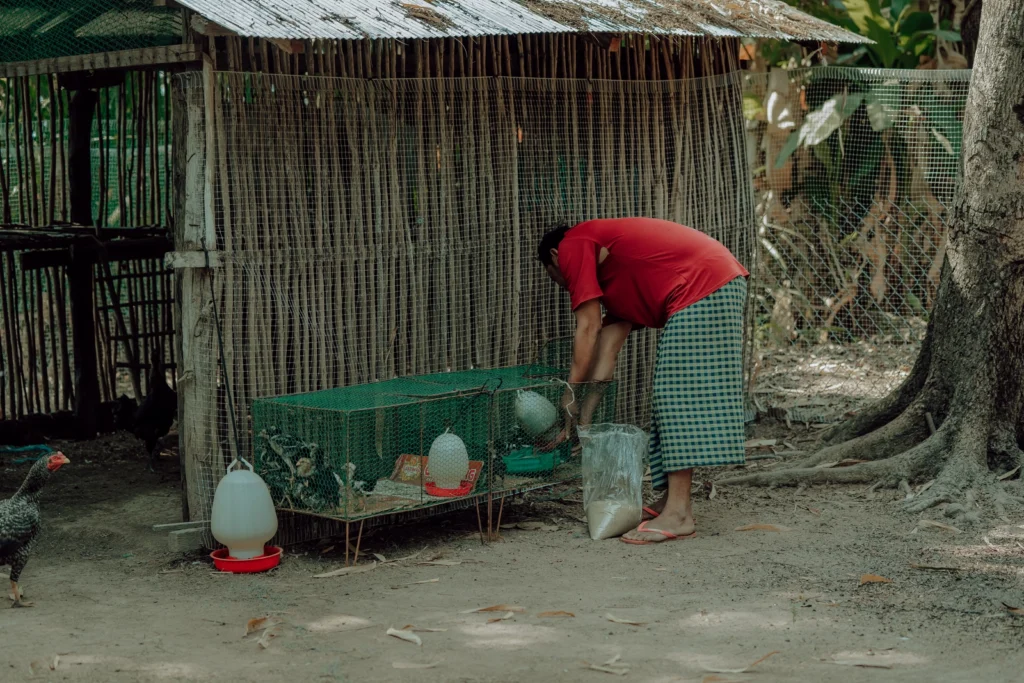
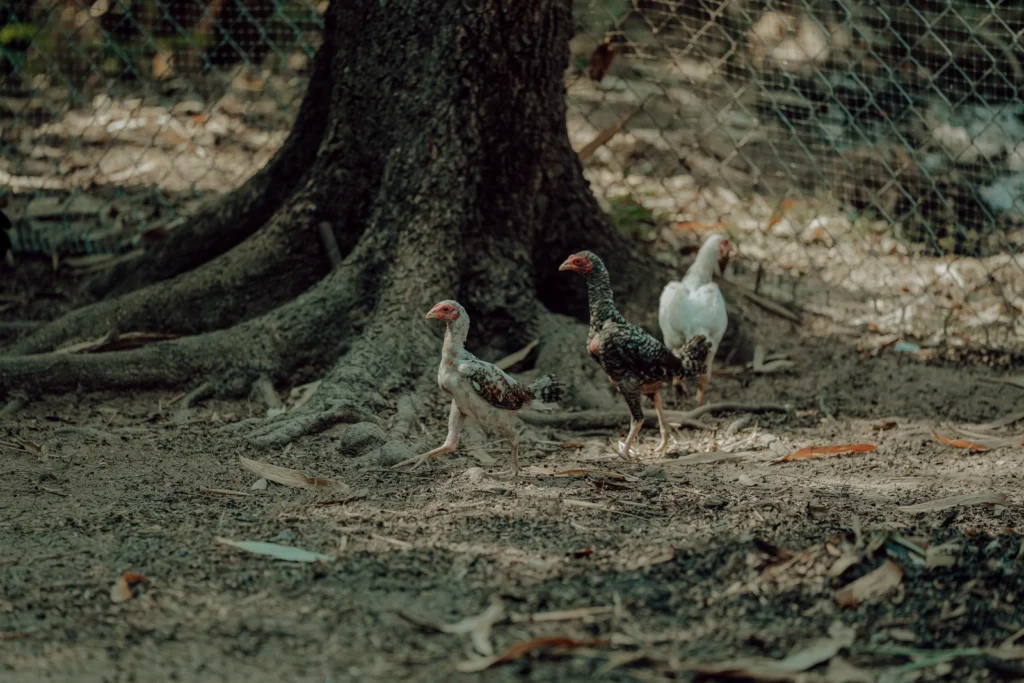
Bong Seyla, however, showed great willingness to cooperate and to change her situation. We also saw potential in her husband—that increased responsibility and meaningful work could help change his behavior. Together, they told us about their experience raising chickens. They have enough land and can produce some of the feed themselves, but they had never been able to invest in proper enclosures or enough chickens to get started due to a lack of funds.
Together, we developed a concept to train them in key areas so they could earn income through poultry farming. The technical knowledge about raising chickens came from the family themselves. We worked alongside them to plan, step by step, how to build a small livelihood. During regular visits, we discussed topics such as planning, budgeting, consistent saving, investment, risk reduction, and family management. They completed their tasks diligently and implemented many important steps quickly. As a result, we were able to support them with start-up capital of USD 500 to build the enclosure and purchase the first chickens.
During our meetings, we also share about God, pray together, and use examples from the Bible to show how faithfulness and care can lead to positive outcomes. This is a small beginning, and it is not yet enough for the family to live on entirely. But it is an important first step toward greater self-reliance—and therefore toward reduced risk of financial hardship.
STEP BY STEP:
STRENGTHENING FAMILIES, REDUCING RISKS
Our hope is to support many more families in this way over the coming year. We are grateful to have a strong partner in Switzerland— SAM Global.
—who has provided additional, targeted funding for this program this year. The ongoing exchange on how to sustainably support people in Cambodia in reducing financial hardship also strengthens our work with families and villages.
Would you like to help us support more families on their journey toward greater independence? At the moment, our budget allows us to support around ten families—which is already a great blessing. Still, we hope to be able to do more.
IN OUR NEXT BLOGPOST, WE WILL SHARE MORE ABOUT OUR VOCATIONAL TRAINING PROGRAM.
STAY TUNED!